
Intermittent fasting is an eating pattern where you cycle between periods of eating and fasting.
If you want a healthy and natural way to lose weight intermittent fasting is the perfect option.
Research shows that intermittent fasting — cycling in and out periods of fasting and eating — has huge benefits for your body and brain. It can ward off chronic disease, improve memory and brain function and boost your energy levels among other known health benefits. What’s more, intermittent fasting is a powerful hack for losing weight quickly, and keeping it off.
Intermittent fasting can fast-track your weight loss goals by busting stubborn fat, reducing calories, and rewiring your metabolism for better performance.
5 THE HEALTH BENEFITS OF INTERMITTENT FASTING

1. Intermittent fasting and cancer prevention

Some research suggests that intermittent fasting helps fight cancer by;
- IMPROVING INSULIN SENSETIVITY
Insulin is a hormone that allows cells to extract glucose from the blood to use as energy. When more food is available, the cells in the body become less sensitive to insulin. This insulin resistance means that the cells no longer respond to insulin signals, leading to higher levels of glucose in the blood and higher fat storage.
When the food supply is scarce, the human body tries to conserve as much energy as possible.
One way it accomplishes this task is by making cell membranes more sensitive to insulin. Cells can metabolize insulin more efficiently, removing glucose from the blood.
Better insulin sensitivity makes it harder for cancer cells to grow or develop.
- REVERSING THE EFFECTS FO CHRONIC CONDITIONS

Some research has shown that conditions such as obesity and type 2 diabetes are risk factors for cancer. Both are linked to a higher risk of multiple types of cancer and lower survival rates.
A 2017 case study looked at the effect of short-term fasting on type 2 diabetes. The participant in the study fasted for 24 hours two to three times per week.
After 4 months of fasting, the participant had a 17.8 percent reduction in weight and an 11 percent reduction in waist size.Also, they no longer required insulin treatment after 2 months of this fasting pattern.
- PROMOTING AUTOPHAGY
Autophagy is a cellular process in which parts of cells break down for later reuse. Autophagy is critical for maintaining proper cell function, and it also helps defend cells in the body. Autophagy plays an important role in preventing and treating cancer.
Several studies in mice suggest that autophagy may prevent cancer. These studies show how lack of autophagy leads to lower levels of tumor-suppressing genes.
While lower autophagy may enable initial tumor formation, it is not solely responsible for malignant tumor growth or spread.
Researchers believe that intermittent fasting may make cancer cells more responsive to chemotherapy while protecting other cells and also boost the immune system to help fight cancer that is already present.
2. Intermittent fasting to lower cholesterol

Fasting has been shown to be very effective in lowering potentially dangerous cholesterol levels.
Higher HDL cholesterol is shown to protect against cardiovascular disease. HDL helps with the clearance of LDL from the bloodstream and directs it back to the liver.
A lot of people don’t have enough HDL cholesterol, which is why they’re in such a risk of having a heart attack. Too low cholesterol is actually associated with increased mortality from stroke, heart disease and cancer. The thing is that cholesterol is also a steroid hormone that promotes healing of cells.
Fasting lowers LDL cholesterol while keeping HDL relatively the same. This can be a great strategy for lowering cholesterol.
3. Intermittent fasting for gut health
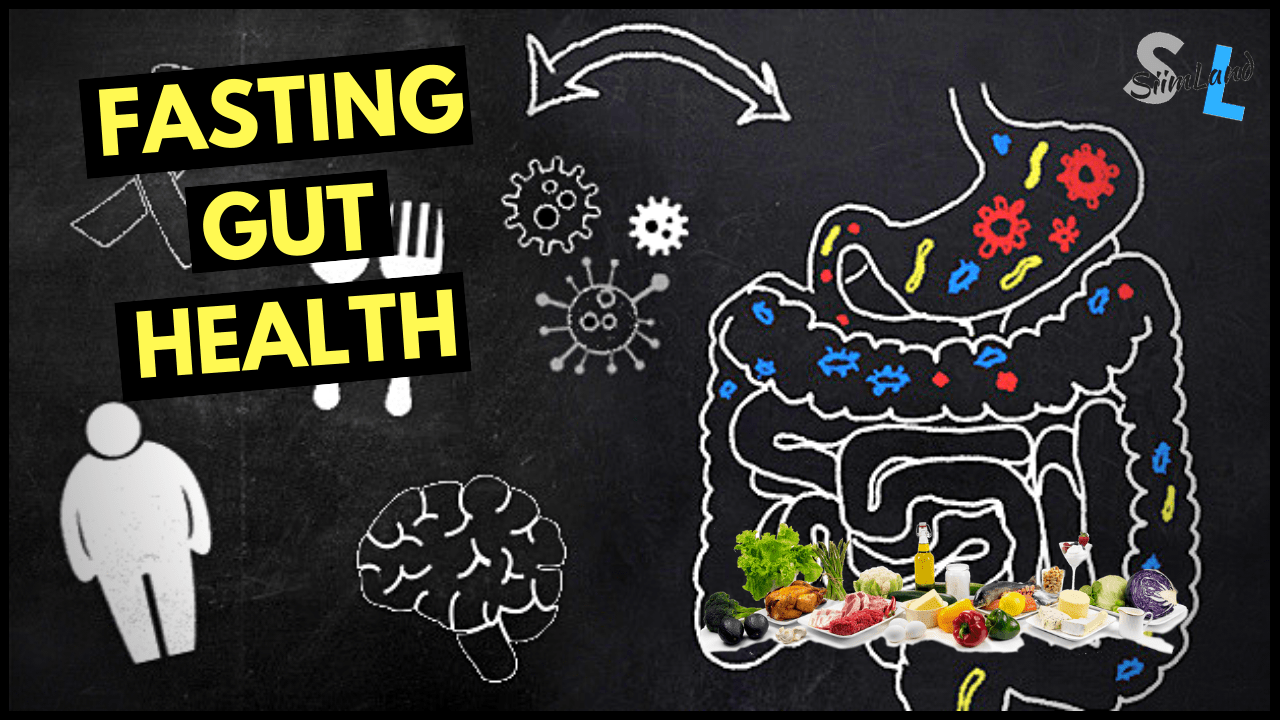
Intermittent fasting gives your overworked gut a break from energy-intensive tasks like digesting and assimilating food. It reduces postprandial endotoxemia, which has been found to increase the risk for obesity and insulin resistance. And potentially, it improves the composition of your friendly gut flora.
4. Intermittent fasting to lower blood pressure

A recently conducted research focusing on ways of lowering blood pressure by dietary interventions. Take a look at an approach using intermittent fasting as a therapy to lower blood pressure. The research reported in the Arbor Nutrition Updates indicates that intermittent fasting under controlled conditions m helps to lower high blood pressure in hypertensive patients.
5. Intermittent fasting to cure diabetes
A new study involving three men concluded that occasional fasting can help reverse type 2 diabetes. Three men with type 2 diabetes were able to stop insulin treatment altogether after intermittent fasting, but experts are warning that people shouldn’t try such a practice on their own.

A small study published in BMJ Case Reports looked at three men between the ages of 40 and 67 who tried occasional fasting for approximately 10 months.
All of the men were able to stop insulin treatment within a month after starting the intermittent fasting. One of the men was able to stop insulin treatment after only five days of the fasting technique.
“This study shows that a dietary intervention — therapeutic fasting — has the potential to completely reverse type 2 diabetes, even when somebody has suffered with the disease for 25 years. It changes everything about how we should treat the disease,” Dr. Jason Fung, author of the study and director of the Intensive Dietary Management Program, noted.
DOING INTERMITTENT FASTING THE RIGHT WAY
Can I Drink Tea and Coffee While Intermittent Fasting?
You can drink coffee and tea while fasting. If your fast calls for no energy intake at all, this means you cannot add sugar, cream or milk to your beverages; drink them plain. A 2018 study published in “Trials” on intermittent fasting, allowed black coffee and unsweetened herbal teas for their study participants.
When drinking caffeinated coffee and tea, which can have a mild diuretic effect, ensure you are balancing them out with water. Decaffeinated coffee and teas will ensure that you are getting the hydrating effect needed from your beverage.
can i drink lemon water during intermittent fasting ?
Putting a few slices of lemon, lime, orange, cucumber, or mint leaves into your water has zero effect on your blood sugar, autophagy, or fasting. The general guideline is that just drinking lemon flavoured water while fasting won’t break the fast as long as it’s not lemon juice or some sort of a sugar-filled lemon sports drink.
Is Intermittent fasting is 12 hours enough ?
According to some researchers, fasting for 10–16 hours can cause the body to turn its fat stores into energy, which releases ketones into the bloodstream. This should encourage weight loss.
This type of intermittent fasting plan may be a good option for beginners. This is because the fasting window is relatively small, much of the fasting occurs during sleep, and the person can consume the same number of calories each day.
The easiest way to do the 12-hour fast is to include the period of sleep in the fasting window.
For example, a person could choose to fast between 7 p.m. and 7 a.m. They would need to finish their dinner before 7 p.m. and wait until 7 a.m. to eat breakfast but would be asleep for much of the time in between.
Intermittent fasting without skipping breakfast
Not only is skipping breakfast disappointing for weight loss, it also decreases sensitivity to the hormone insulin, and worsens blood lipids.
Skipping the breakfast is a bad idea. There are lot of factors which affect your health when you skip your breakfast. Skipping the breakfast makes you feel tired as body may start absorbing energy stored from your tissues, Weight may increase because when you skip the breakfast you will feel hungrier till your lunch time. The longer you wait, the more your hunger grows. This leads to take you at unhealthy foods like snacks which are rich in fat and sugar. Hence ultimately gaining body weight, eating nothing at morning reduces metabolism and Breakfast skippers tend to be deficient in minerals such as calcium, in addition to not getting enough fruits and vegetables that provide important vitamins.

5 WAYS TO DO INTERMITTENT FASTING
1. Fast for 12 hours a day
The rules for this diet are simple. A person needs to decide on and adhere to a 12-hour fasting window every day.
According to some researchers, fasting for 10–16 hours can cause the body to turn its fat stores into energy, which releases ketones into the bloodstream. This should encourage weight loss.
This type of intermittent fasting plan may be a good option for beginners. This is because the fasting window is relatively small, much of the fasting occurs during sleep, and the person can consume the same number of calories each day.
The easiest way to do the 12-hour fast is to include the period of sleep in the fasting window.
For example, a person could choose to fast between 7 p.m. and 7 a.m. They would need to finish their dinner before 7 p.m. and wait until 7 a.m. to eat breakfast but would be asleep for much of the time in between.
2. Fasting for 16 hours
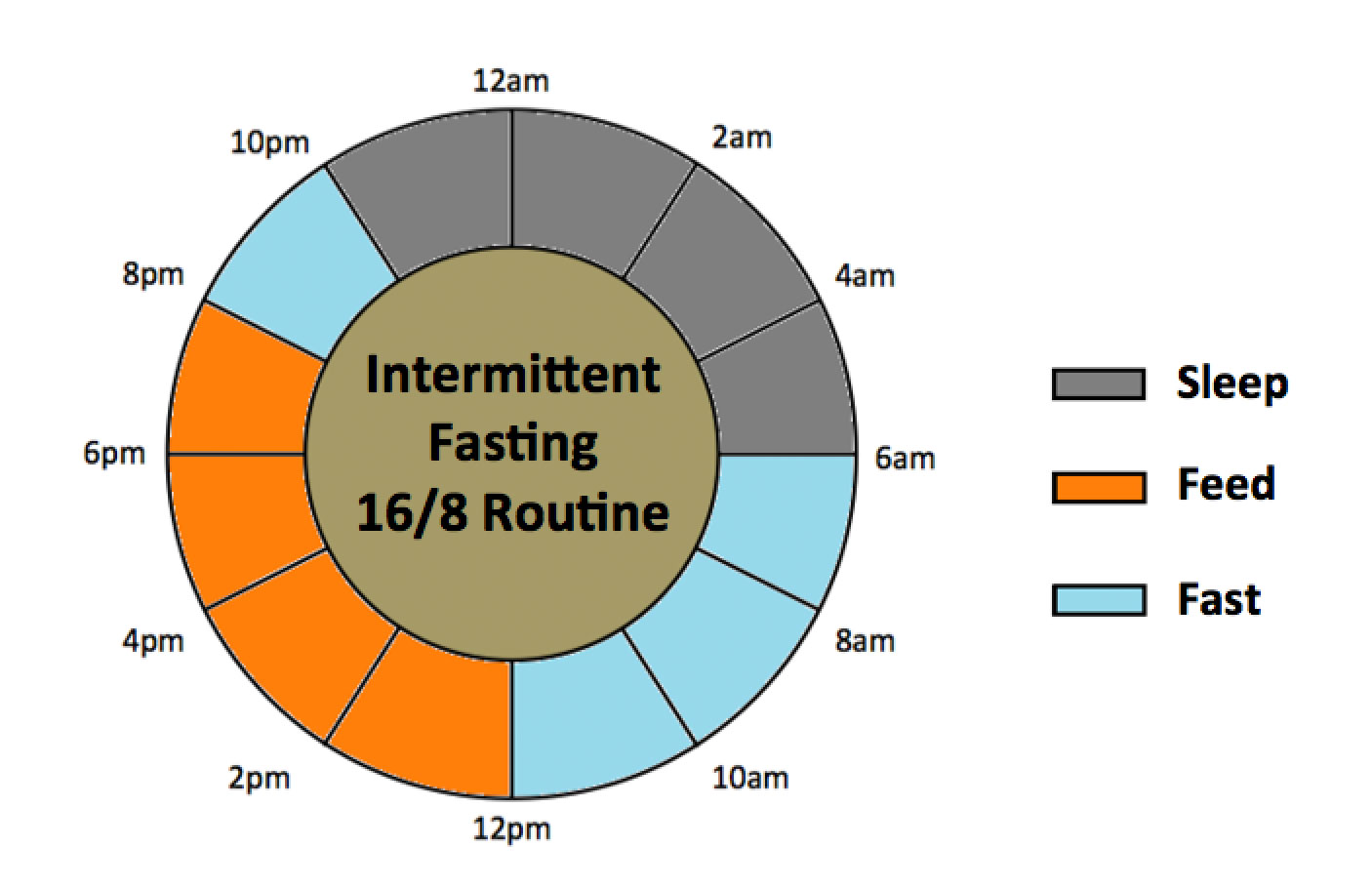
Fasting for 16 hours a day, leaving an eating window of 8 hours, is called the 16:8 method or the Leangains diet.
During the 16:8 diet, men fast for 16 hours each day, and women fast for 14 hours. This type of intermittent fast may be helpful for someone who has already tried the 12-hour fast but did not see any benefits.
On this fast, people usually finish their evening meal by 8 p.m. and then skip breakfast the next day, not eating again until noon.
A study on mice found that limiting the feeding window to 8 hours protected them from obesity, inflammation, diabetes, and liver disease, even when they ate the same total number of calories as mice that ate whenever they wished.
3. Fasting for 2 days a week
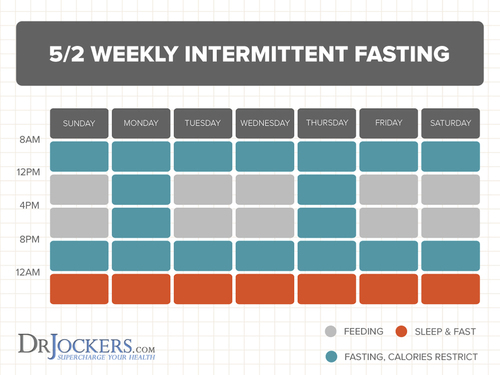
People following the 5:2 diet eat standard amounts of healthful food for 5 days and reduce calorie intake on the other 2 days.
During the 2 fasting days, men generally consume 600 calories and women 500 calories.
Typically, people separate their fasting days in the week. For example, they may fast on a Monday and Thursday and eat normally on the other days. There should be at least 1 non-fasting day between fasting days.
There is limited research on the 5:2 diet, which is also known as the Fast diet. A study involving 107 overweight or obese women found that restricting calories twice weekly and continuous calorie restriction both led to similar weight loss.
The study also found that this diet reduced insulin levels and improved insulin sensitivity among participants.
A small-scale study looked at the effects of this fasting style in 23 overweight women. Over the course of one menstrual cycle, the women lost 4.8 percent of their body weight and 8.0 percent of their total body fat. However, these measurements returned to normal for most of the women after 5 days of normal eating.
4. Alternate day fasting
There are several variations of the alternate day fasting plan, which involves fasting every other day.
For some people, alternate day fasting means a complete avoidance of solid foods on fasting days, while other people allow up to 500 calories. On feeding days, people often choose to eat as much as they want.
One study reports that alternate day fasting is effective for weight loss and heart health in both healthy and overweight adults. The researchers found that the 32 participants lost an average of 5.2 kilograms (kg), or just over 11 pounds (lb), over a 12-week period.
Alternate day fasting is quite an extreme form of intermittent fasting, and it may not be suitable for beginners or those with certain medical conditions. It may also be difficult to maintain this type of fasting in the long term.
5. A weekly 24-hour fast
Fasting completely for 1 or 2 days a week, known as the Eat-Stop-Eat diet, involves eating no food for 24 hours at a time. Many people fast from breakfast to breakfast or lunch to lunch.
People on this diet plan can have water, tea, and other calorie-free drinks during the fasting period.
People should return to normal eating patterns on the non-fasting days. Eating in this manner reduces a person’s total calorie intake but does not limit the specific foods that the individual consumes.
A 24-hour fast can be challenging, and it may cause fatigue, headaches, or irritability. Many people find that these effects become less extreme over time as the body adjusts to this new pattern of eating.
People may benefit from trying a 12-hour or 16-hour fast before transitioning to the 24-hour fast.
 FITNESSITY